#passthescopeEDU June 16, 2016

Why did I need to wash the exterior of all my windows the morning after periscoping during #passthescopeEDU’s June episode?  Why was that the first thing I did upon waking and drinking coffee?

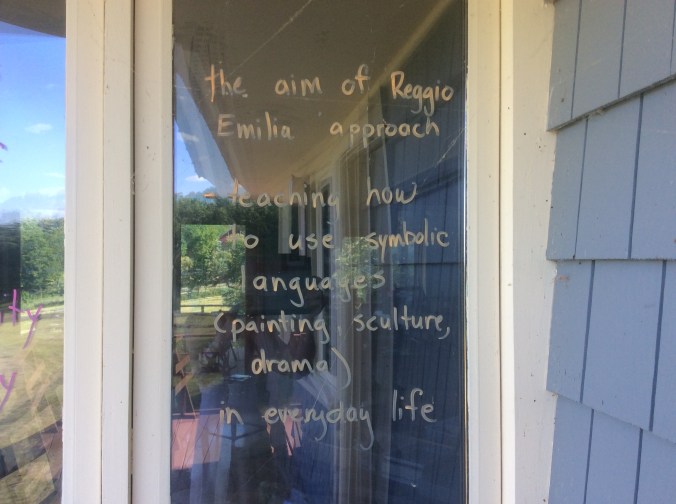
The answer is that I had been impulsively inspired to write all over them with dry erase markers as a way to provide visual back up to my scope.  Why window? Because they were there.

14makered

Originally, I had planned just to talk.  I had hoped to have interaction with viewers. My preference had been to be unscripted. Why was that plan abandoned?

My fellow #passthescopeEDU scopers had been discussing the theme for June’s event for quite some time.  Our attempt to settle on a single these didn’t work, so we settled on two.  Ironically, one of the two was called #OneBigThing.  That’s the struggle when collaborating.  Keeping things narrow enough to be coherent and wide enough to allow individuality.  The other theme was #GlobalConnections.

Choices were to choose one these or embrace both themes.  Boldly, I chose both.  Having the leisure time to experiment, I ventured forth.  The results were mixed.


gloves and shoes


On the positive side, I was inspired to look more closely at the content I had planned to share.  It also led me to experiment with linking to other platforms that would house more information.

One of the downfalls was that as though I were delivering my message instead of being present for my audience.  I’m not even going to get into the technical problems which made the scope break up and skip. That was just life in the fast lane.

Looking more deeping into the content took me to Australia and to Italy, my #globalConnections.  I rediscovered the Reggio Emilia approach and learned how well it speaks for #MakerED.  The assumptions and principles of Reggio Emilia were my “OneBigIdea.”

12aim of reggio


15children have control

Besides the Australian speaker lined up for the Constructing Modern Knowledge conference — #CMK16 was a centerpiece in my scope — there was another global aspect that I failed to mention in my scope. I alluded to it, but never got back it.

So here it is:

A Twitter friend tweeted that she was planning to attend this year.  I tweeted back and we started a DM conversation in which we resolved that we would share a room and that I would pick her up in Boston and bring her to New Hampshire for the event!  This had been my original “GlobalConnection.” We are both stoked.

(Wanted to embed tweet but it failed.)

IMG_3286

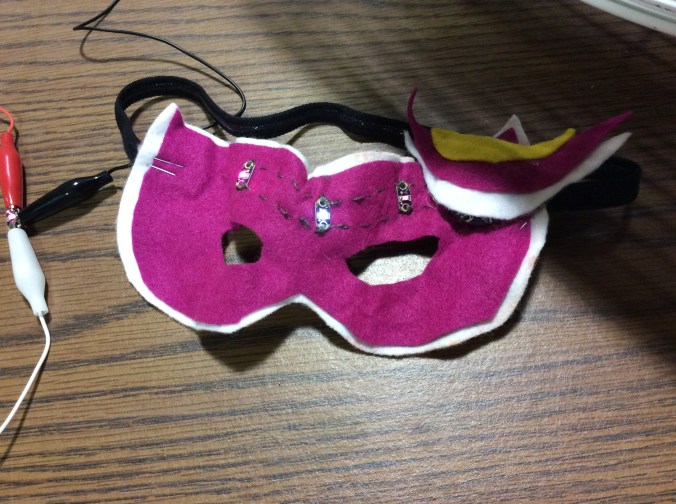
One of the pleasures of the broadcast was showcasing some of the electronic textiles that I’m working on.

IMG_3282

Melted/Frozen

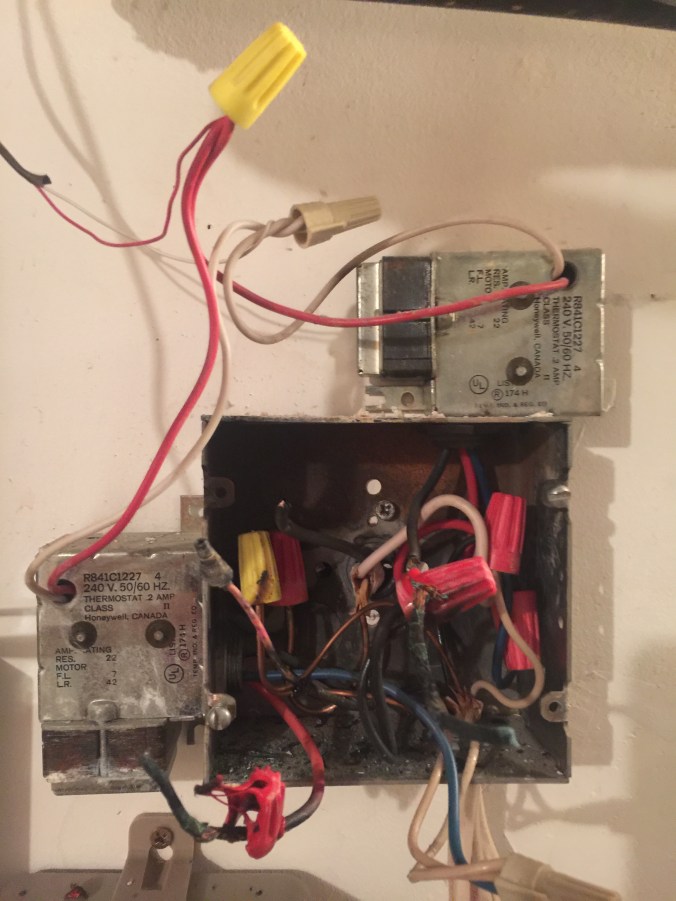
I’m awoken in the night by an emergency of heat: a lack thereof. Water below the floors is running cold, contrary to design. The urgency cannot be understated in the late November of Northern New England.

IMG_0748

Get a plumber. Get a person who knows how to plumb, by God.

Why? Because cold.

A white van emblazoned with a fine French Candian name pulls up in the morn. The bearded face, the multimeter, and the iPhone together plumb the depths of the building to diagnose a mal du chaud.

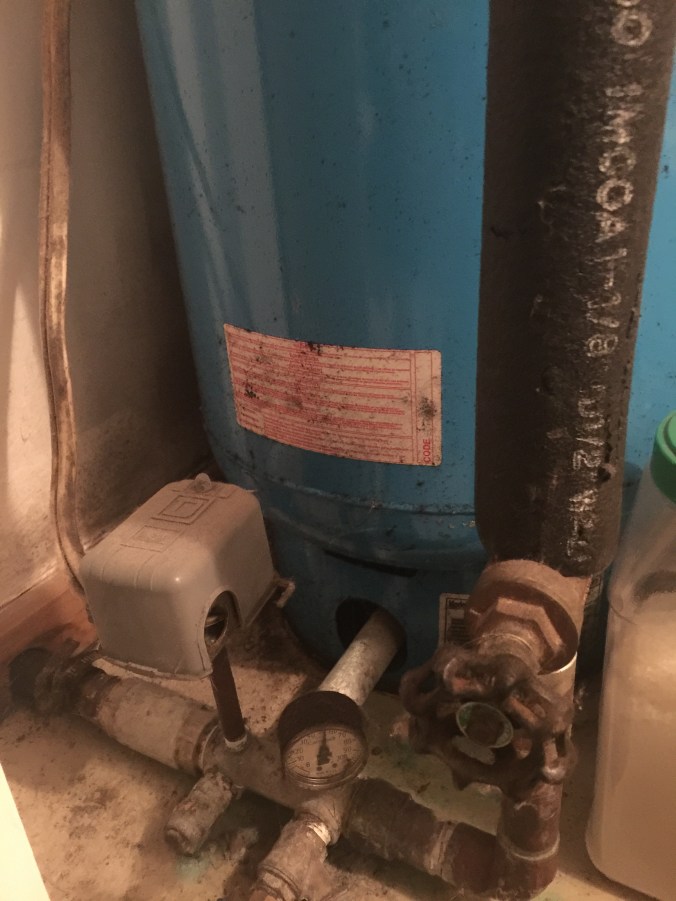
What malady lies within this beast of metal and plastic?  On the wall hangs the box wherein flows the charge of electrons determining a life sheltered vs. a life exposed. Get an electrician.

IMG_0747

Get a person who knows how to wire, by God.

Why? Because cold.

Institutions summon plumbers and electricians, figuratively speaking, in mechanical attempts to fix: fix component parts, fix expectations, fix people.

The worst offenders? Institutions of education. All is coded. Roles are played. People are appointed. We tinker with systems. Expectations are implied or stated. What goes UNsaid is often most important to those charged with meeting those expectations.

That complicated institution by which water is heated during the night while the cost of electricity is low (called off-prime), then circulated beneath the floors during the day to heat the rooms, includes the added feature of a system override.  This could only end badly.

IMG_0750

On the wall, melted wires lying in a tangle of plastic prevent the flow of energy from a source to its destination. We can only guess at HOW it melted.  Was it caused by something within or without?

Later, a new van arrives, carrying another bearded face, another multimeter, and an Android phone this time. The face is just as friendly as the last though it carries the reek of ugly tobacco.

He descends. He looks. He pokes. He makes a phone call.
He ascends. “I don’t know how to fix it,” he states matter of factly.

What followed were the facts. “It’s too confusing,” came the truth, “I have to get someone else over here to look at it.”

As he turns to go, he shares a final thought: “You’re lucky you didn’t have a fire. Those wires are all melted together.”

IMG_0749

Should the electrician replace the wiring to restore electrical flow, or, should he determine whether or not the elements within the tank are causing the wiring to overheat?  To do so is expensive.  However, an opportunity may be missed to solve the underlying problem.

Meanwhile, cold.

How long to admire the problem before acting?

Once water is warmly flowing beneath the floors, for how long can it be sustained?

Institutions encounter similar questions.

Educational institutions cannot answer questions about repair because they cannot ask them frankly.  They can’t ask the questions frankly because to do so upsets the delicate balance that maintains a fragile political ecosystem.

So: frozen.

IMG_0357


How does your educational institution tinker in attempts to repair?

Who agrees on what to fix?

Is there a system override?

Who hoards the information?

Who calls the plumber?